



The heart is not a judge. It is a garden. That image matters to me because a garden asks for attention, not a verdict about whether its keeper deserves to be loved.
A small act of care can have a consequence: a message answered, a boundary respected, a task completed. It does not give us control over every result.
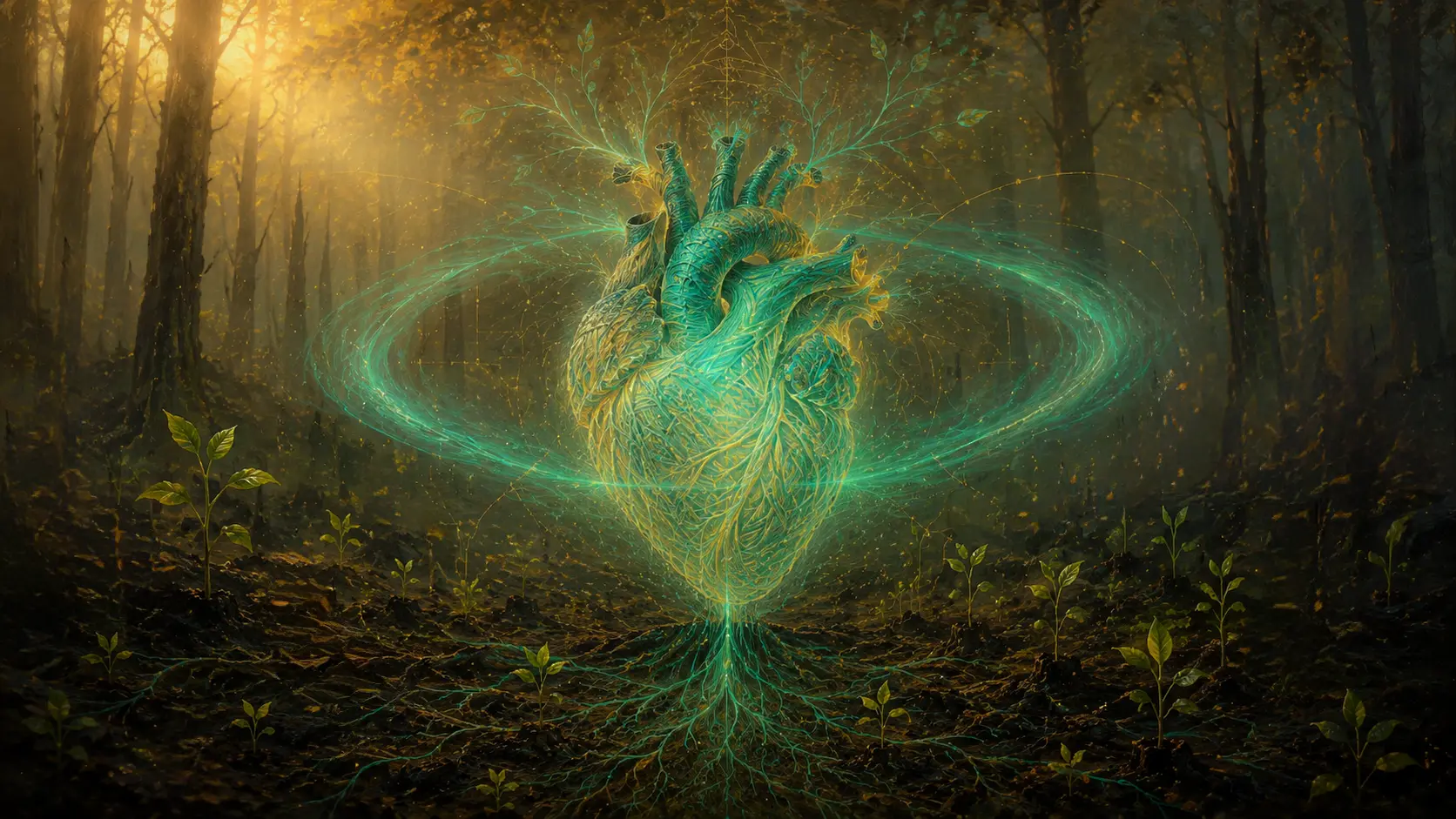
Cause and Effect Without Punishment

Aurelda’s site teaching map pairs Vok’Mahn, the Fourth Thread of Cause and Effect and the Heart Chakra. This reflection uses that pairing to ask what we can tend in our own conduct.
The metaphor becomes misleading if it claims that fear broadcasts misfortune or gratitude creates another person’s behavior. Being hurt is not evidence of an incoherent heart. Grief is not a magnetic cause of more grief.
Choose Something Within Reach
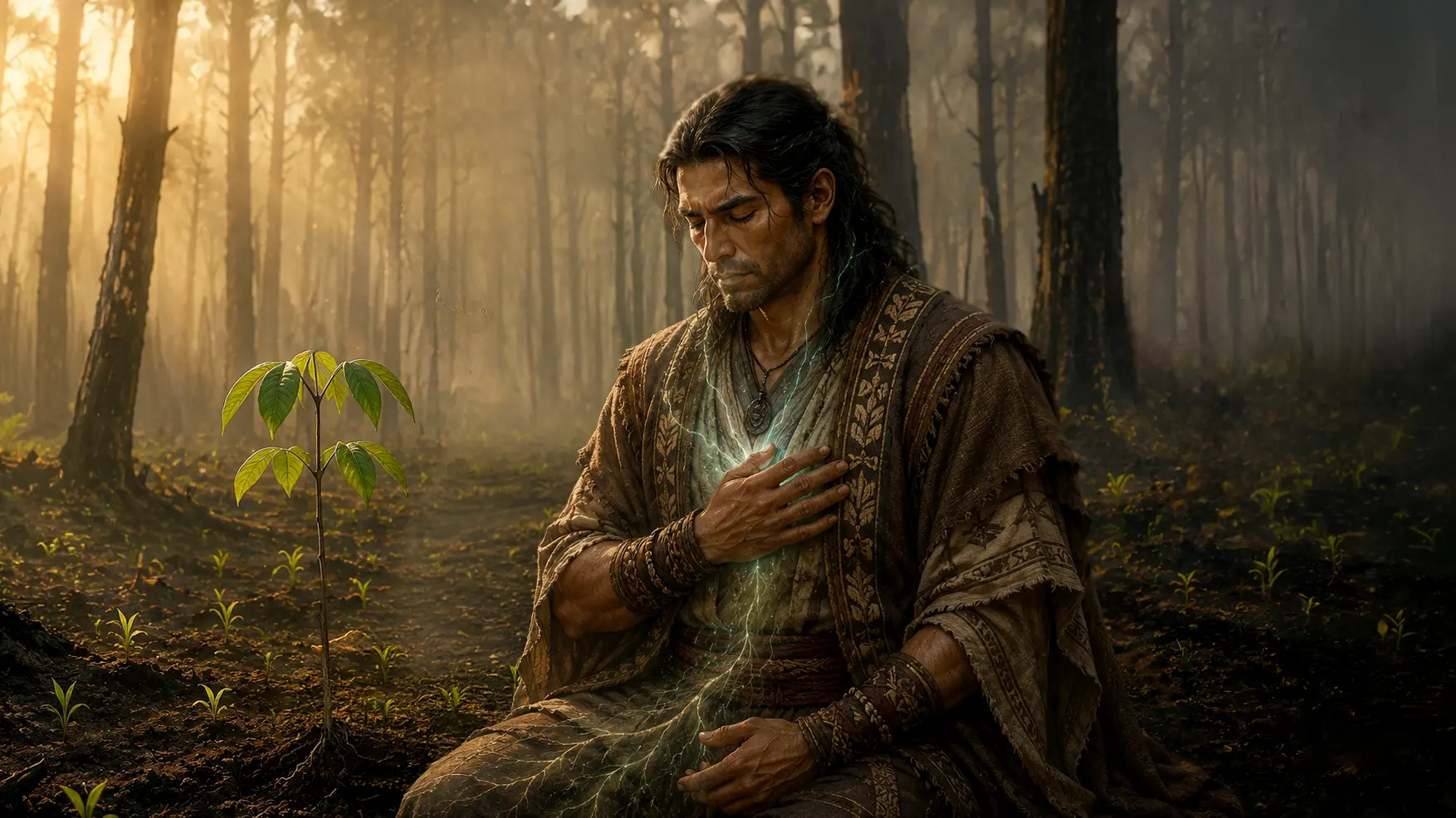
Think of one relationship or responsibility. What is a choice you can actually make? You might apologize, ask before touching, follow through on a promise, or stop answering a demand that violates a boundary.
The effect may not be immediate. An apology does not require forgiveness, and care cannot guarantee agreement. Responsibility means owning the action without claiming ownership of the other person’s response.
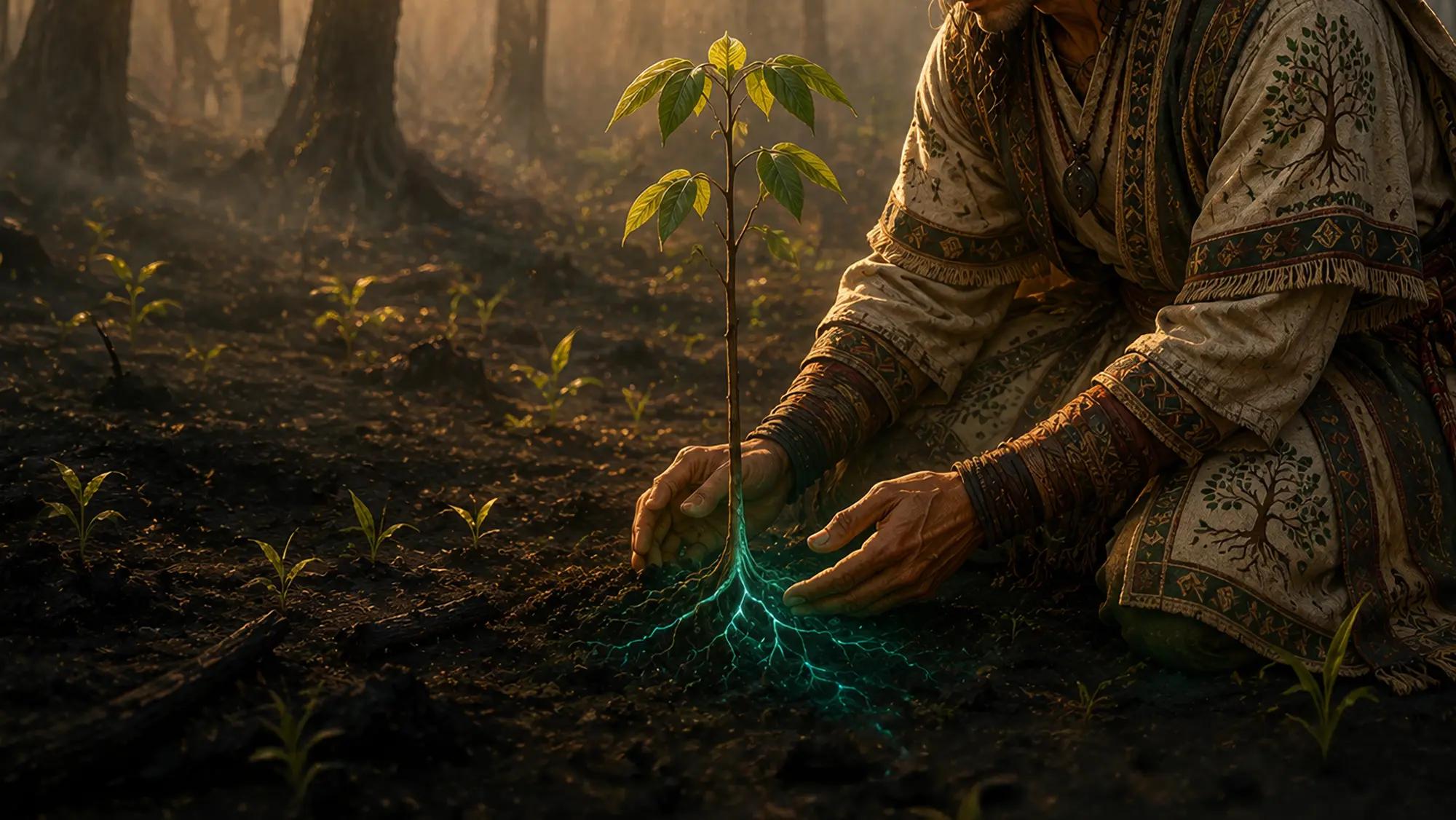
Let the Garden Remain a Metaphor
This page does not prescribe a heart-brain synchronization protocol. It does not establish a biological override switch, a measurable field of spiritual influence or a cure for anxiety. The useful invitation is simpler: stop treating yourself as a verdict and notice what you can tend.
Letting go of control explores the difference between responsibility and managing an outcome you cannot own.
The source list below is retained from the earlier article for provenance. It does not establish the spiritual framework as a medical treatment; individual claims still require source review.