



“Keep going. Do not stop. If you stop, you fall.” That voice can make rest feel less like a need than a threat.
A life organized entirely around output leaves little room for a day when concentration changes, desire recedes or the body asks for quiet. Rest becomes another task justified only by what it will produce later.
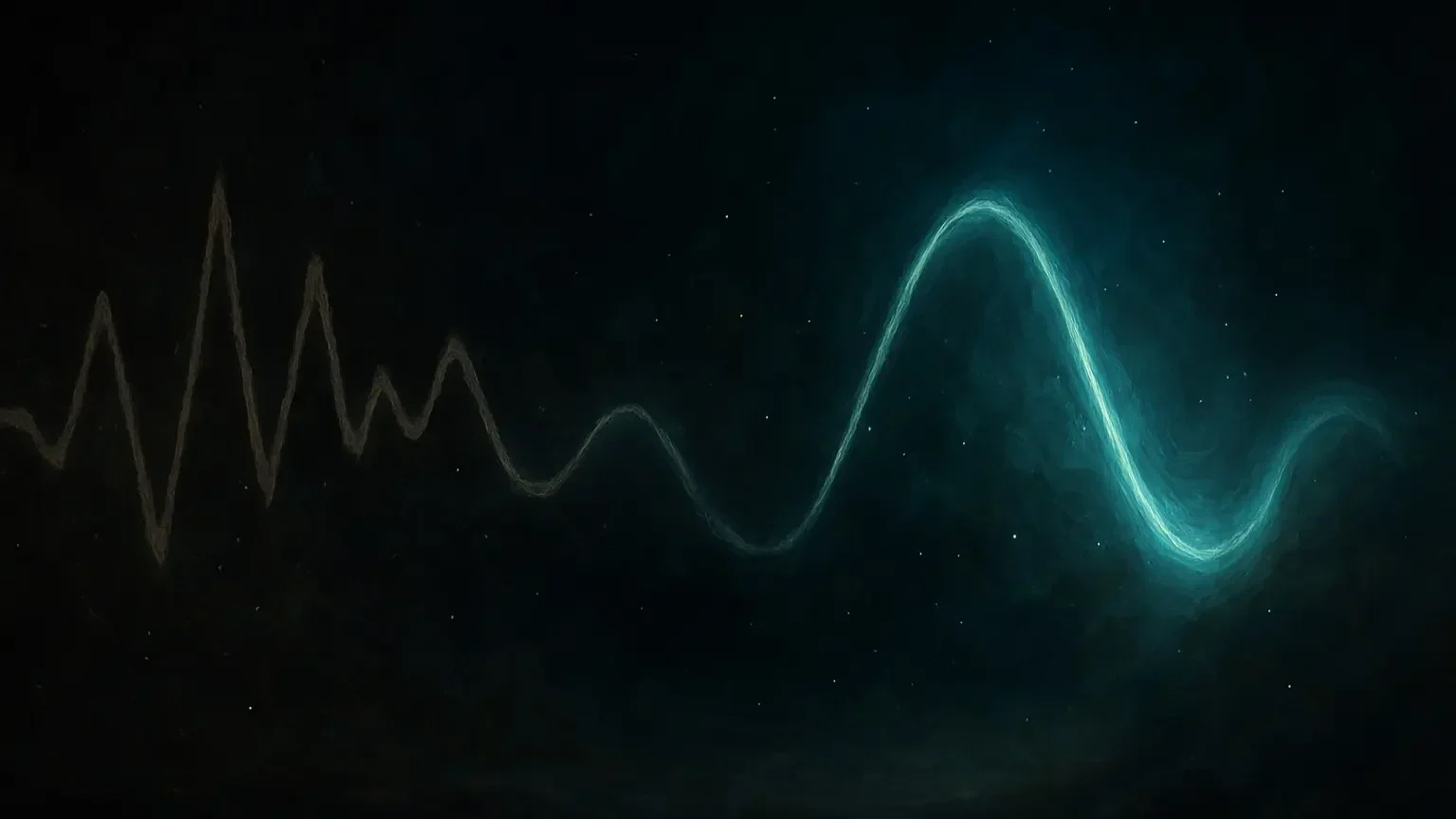
Rhythm as a Question About Pace
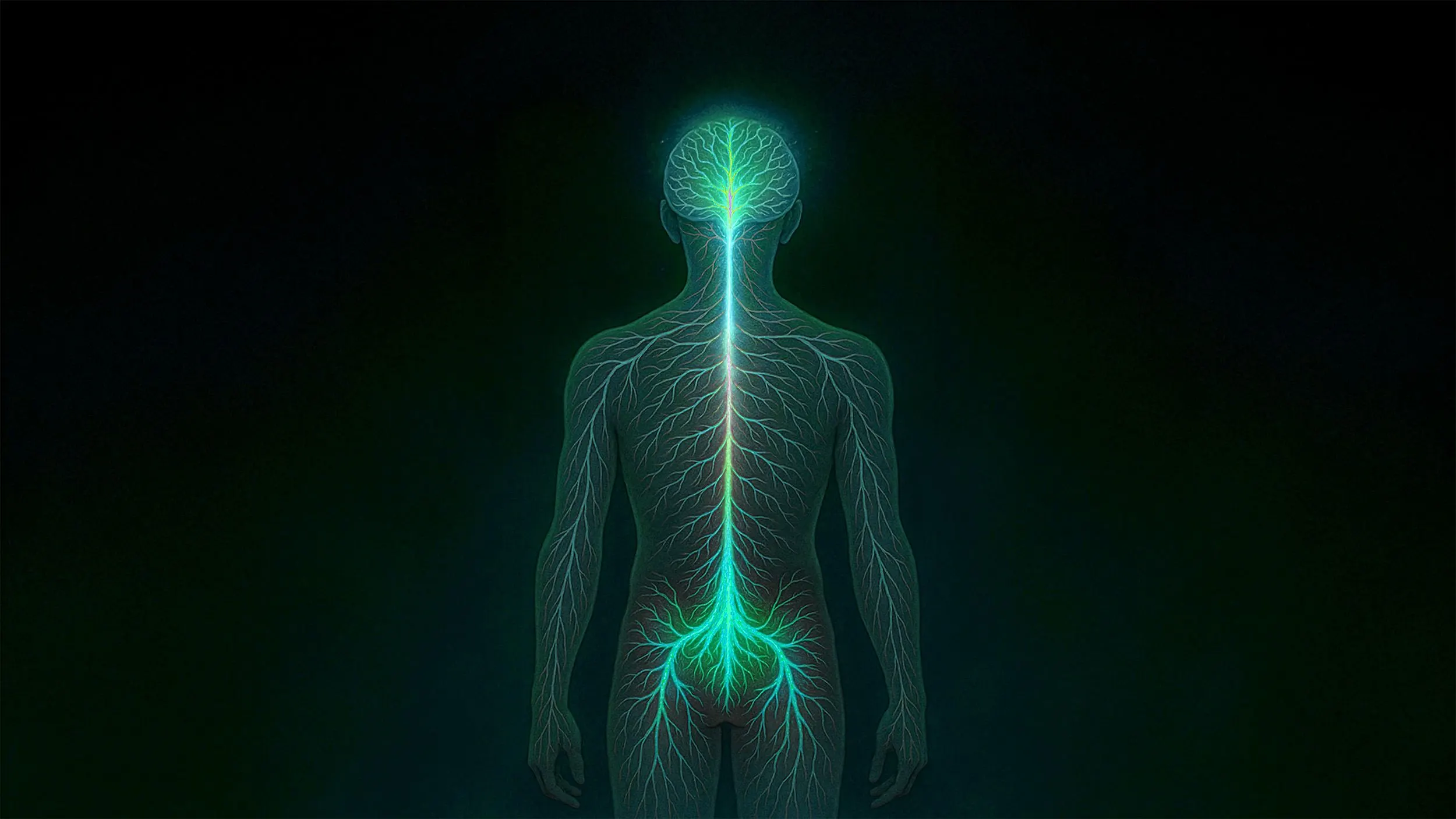
Aurelda’s site teaching map connects Balam’Kin, the Sixth Thread of Rhythm and the Sacral Chakra. This is a symbolic frame for changing pace, not proof that every body obeys a fixed spiritual energy cycle.
A yes can change. A familiar task can become difficult. A pause does not need to be renamed regeneration before it deserves respect.
Notice the Demand Behind the Effort

Choose one task you keep pushing through. Is it urgent? Is it yours? What would happen if you stopped for a while? Sometimes the answer is practical: a deadline remains. Sometimes the demand comes from a fear of being seen as lazy or unreliable.
You may not be able to change every condition. But naming it is different from blaming yourself for needing rest. A small boundary—a shorter conversation, a later reply, a real meal break—can be a beginning.

Flow Is Not a Cure
This essay does not diagnose fatigue or prescribe a breath hold, pelvic-floor contraction or energetic pump. Continuing symptoms need an explanation beyond a metaphor about resisting the river.
The personal essay When Survival Mode Becomes a Way of Life offers a companion account of urgency and small returns to ordinary life.
The source list below is retained from the earlier article for provenance. It does not establish the spiritual framework as a medical treatment; individual claims still require source review.