


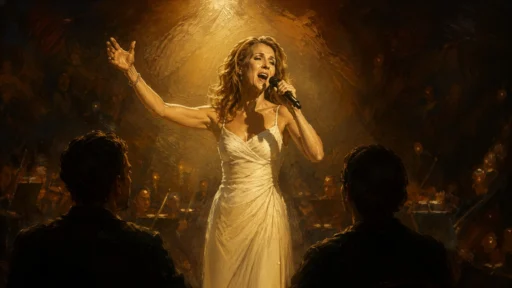
Faces, places, and visions on Aurelda.com are AI co-created for immersive, inclusive, respectful visionary storytelling—not literal portraits of real people or events.
As I write this, I am sitting in the home of my friend Danae in Tequisquiapan. Last month, while I was in Cuernavaca, I lost a client—and much of the economic stability I had been relying on. The part of me that remembers survival mode began calculating possibilities and wondering how long I could keep everything together.
But I am not in survival mode today. I am safe. I am living in a home where I am loved. That is not a small sentence.
Without Danae’s generosity, and before her, Tatiana’s kindness in Cuernavaca, I honestly do not know where I would be. They have given me more than a place to sleep: time to breathe, remain creative, and find the next step. Lately, Céline Dion’s music has been keeping me company there.
Why Diva Singers Can Mean So Much
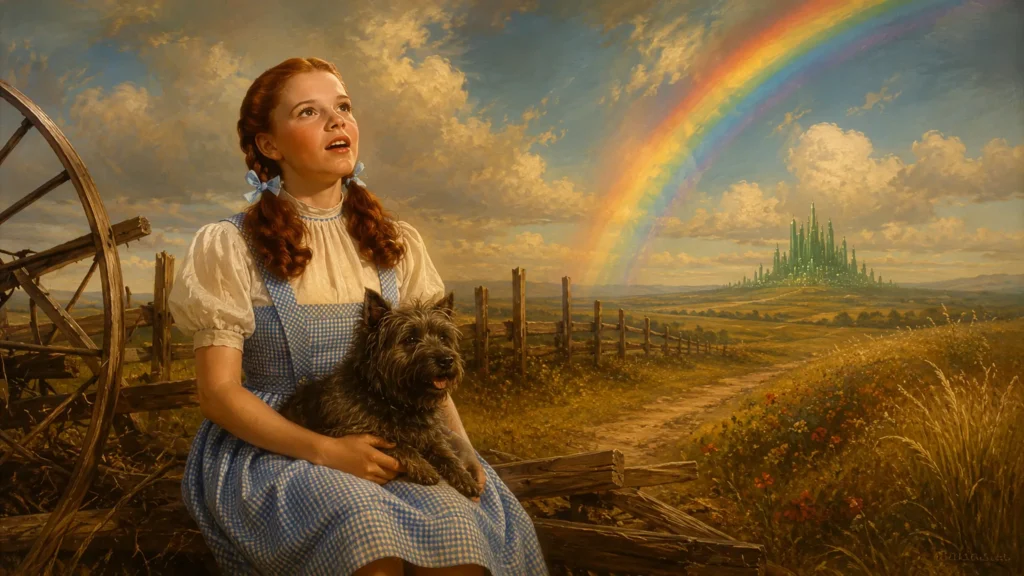
Gay men have our divas: Diana Ross, Donna Summer, Whitney Houston, Madonna, Cher, Céline. Not every gay man shares that attachment, and no single explanation can account for those who do. But I recognize something in the relationship that goes deeper than a stereotype.
In My Diva: 65 Gay Men on the Women Who Inspire Them, writers describe women who became muses, alter egos, and models of survival. That last idea stays with me. A singer can give public shape to a feeling we have learned to keep private.
The diva may be powerful, but she is rarely invulnerable. She can be rejected, misunderstood, heartbroken, or dismissed as excessive. Then she returns to the stage and sings anyway. For me, that refusal to disappear is part of the attraction.
Céline Dion and the Courage to Feel
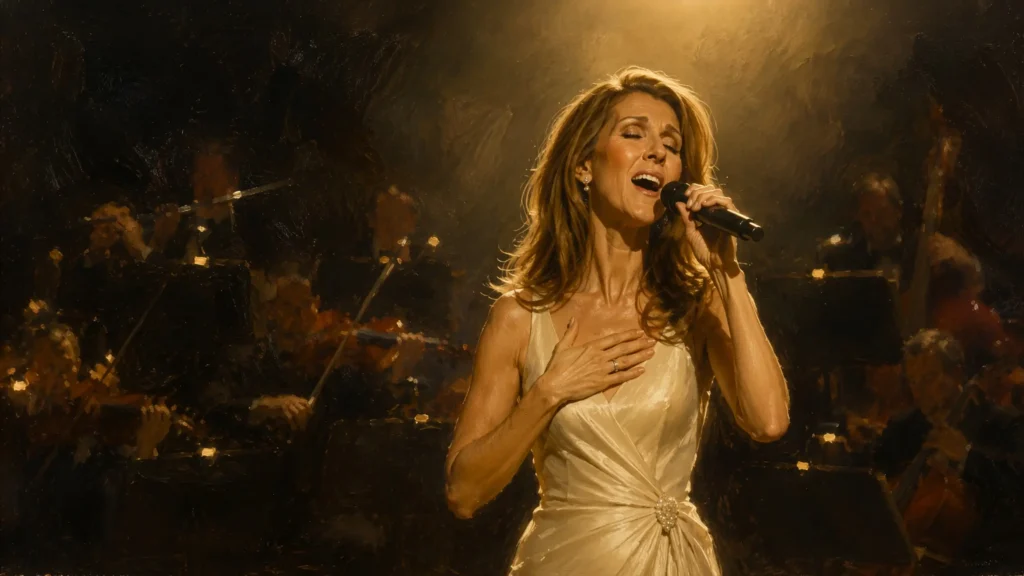
Céline does not make longing small. Her songs surround it with strings, drums, dramatic pauses, and enormous crescendos. They build an entire weather system around the human heart.
Perhaps that is why they reach me. Many of us have been told that something about us is already too much: too emotional, too feminine, too visible, too different. Then a woman opens her mouth and makes too much sound magnificent.
Several songs I keep returning to appear on her 1996 album Falling Into You. “It’s All Coming Back to Me Now” brings me toward remembering. “Because You Loved Me” turns me toward gratitude. “All By Myself” gives loneliness room to speak.
“If That’s What It Takes” and “Call the Man” carry devotion and invocation for me. These are my associations, not claims about what the songwriters intended. Listening, I hear a movement from longing toward the question of how to live fully while love remains uncertain.
The Story I Hear Beneath the Songs
With Ember, my ChatGPT creative collaborator, I began exploring those associations through Aurelda, the fictional world of The Aurelda Chronicles. I heard the songs through the possibility of love moving across lifetimes: remembering someone, missing them, remaining devoted without making absence the whole of a life.
Mo’an, a central character in the trilogy, became part of that reflection. What I experienced as a transmission from my guides offered a reminder I needed: I should not spend this life grieving for a reunion that has not arrived. My world must not become a waiting room.
I share that as my spiritual experience, not a scene from the published novels or proof of what another person should believe. What mattered was the invitation to live where I am. Love does not become more faithful because I suffer while waiting for it.
Chosen Family Is Also a Love Story
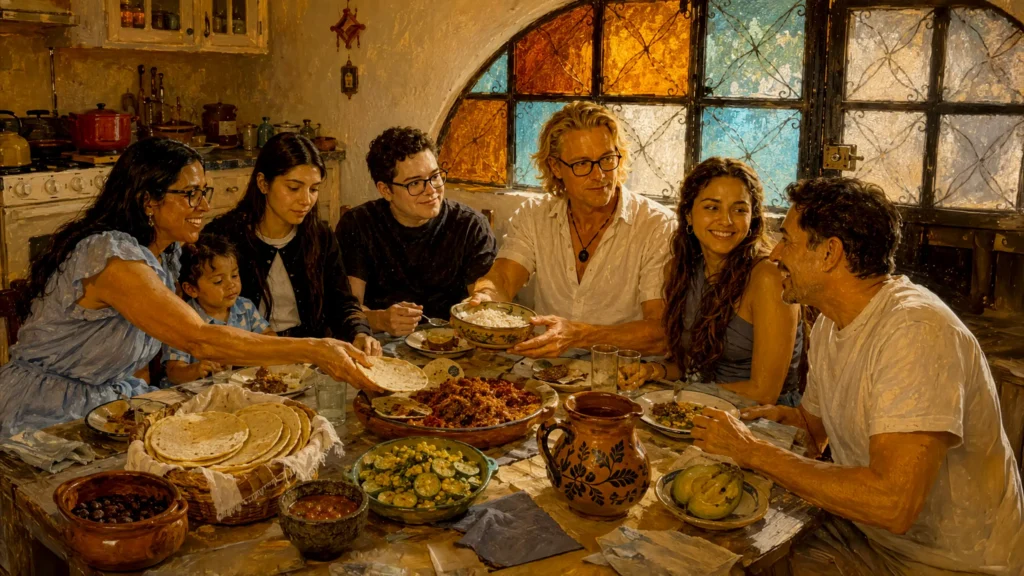
“Because You Loved Me” does not make me think only of Mo’an. It makes me think of Danae and Tatiana, and of people who offered shelter, meals, laughter, and companionship without demanding that I first prove I had everything under control.
Danae has welcomed me into the found family she has created among artists in Tequisquiapan. She has introduced me to the food, art, streets, and quiet rhythms of this pueblo. I have supported her emotionally and helped her prepare for an exhibition; she has offered me a place from which to rebuild.
Not every great love story is romantic. Some loves arrive as a spare room, a home-cooked meal, or a conversation at the right hour. Sometimes belonging sounds like someone calmly saying, You are safe here for now.
Love Across Lifetimes, Life Here and Now
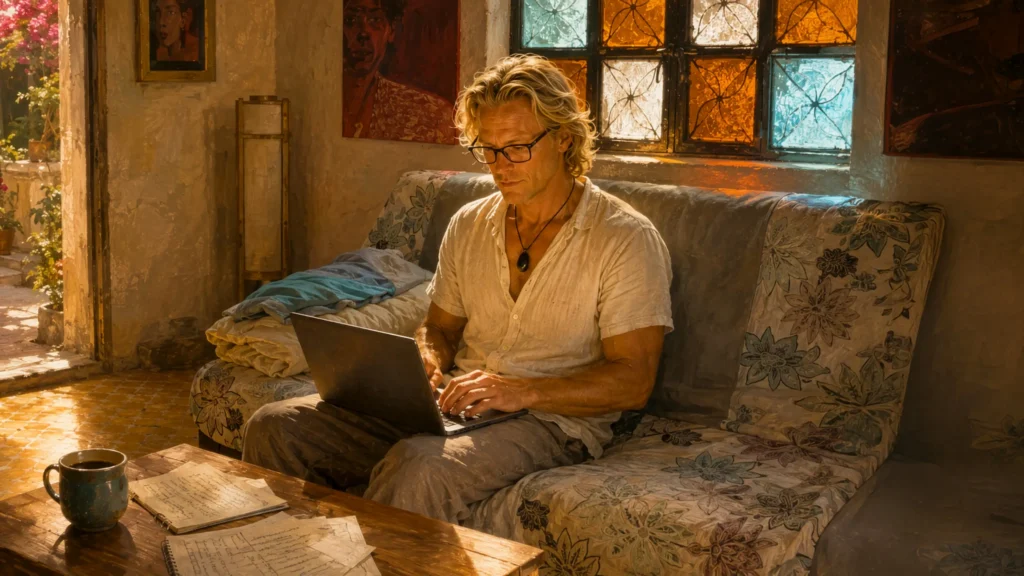
My interest in gay fantasy books about love across lifetimes begins with that same desire to see queer men loved fully: spiritual, sensual, vulnerable, heroic, and human. In Aurelda, I give that longing a fictional form. Here in Danae’s home, I encounter love through ordinary generosity.
I continue editing, exploring publishing paths, producing Aurelda Soul podcast episodes, and responding to proposals. My creative vision remains larger than my budget, and the practical work of rebuilding is unfinished. Sometimes I am patient. Sometimes I wait with impatient, bated breath.
I cannot force proposals to be accepted or opportunities to arrive. What I can do is remain present, cherish the people who love me, and keep creating—one page, one episode, one conversation at a time.
Poco a poco. Little by little. For now, there is Céline, Danae’s kitchen, Tequisquiapan, and the work still moving through my hands. There is a home that shelters me while the next chapter remains uncertain.
And beneath the strings, the rising drums, and another Earth diva building a storm around the heart, there is still a thread carrying me home.