


Sexual Shame and Toxic Masculinity: Consent Comes First
Categories: Breath and EmbodimentThere is room for desire and dignity together. Start with a clear yes, an equally clear no, and freedom from performance.
Read Article

From historical sources to the stories we tell today, explore queer lives, cultural memory, and the search for belonging. These essays consider erasure, representation, and inherited ideas with care, while keeping documented history distinct from Aurelda’s imagined world.
There is room for desire and dignity together. Start with a clear yes, an equally clear no, and freedom from performance.
Read Article
An invisible wound can still matter. Recognition does not require proving a cosmic origin or forcing yourself into a rejecting tradition.
Read Article
A room can say everyone belongs while asking part of you to stay outside. This reflection names that contradiction without diagnosing people.
Read Article
Queerness need not be a problem a story solves. It can belong at the center, with tenderness, consent, and room for uncertainty.
Read Article
A crowded room can still feel lonely. Aurelda is one possible mirror for that feeling, not a cure or a substitute for real connection.
Read Article
Consider how shame divides desire from dignity—and how consent and honest reflection can help you approach your body differently.
Read Article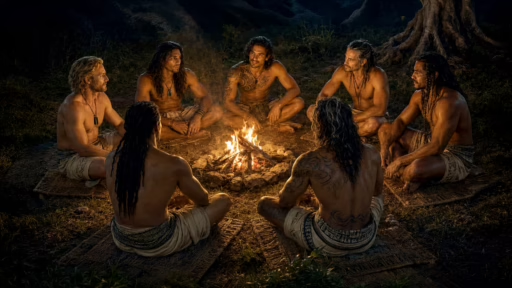
You do not have to use the word queer to deserve belonging. Language should help you recognize yourself, not reduce you.
Read Article
The desire for ancestors is understandable. Respect begins by keeping different traditions, identities, and kinds of evidence distinct.
Read Article
A story can help you name the room that asks you to shrink. Naming is a beginning, not a promise that fiction can heal every wound.
Read Article
The desire for ancestral affirmation deserves tenderness and accuracy. Fiction cannot settle what a colonial record leaves uncertain.
Read Article