The Song of the Ceiba: Mythic LGBTQ+ Fantasy Rooted in Reality
Discover the ancient Maya wisdom behind a mythic LGBTQ+ fantasy as Aurelda’s Chapter 1 draws on the sacred Ceiba tree, prophecy, and a queer hero’s journey.
This post may contain affiliate links; your purchases help earn me a small commission at no extra cost, supporting the art and continued growth of Aurelda.
The Song of the Ceiba: Mythic Fantasy Rooted in Reality
In The Aurelda Chronicles, myth and reality intertwine to create a mythic LGBTQ+ fantasy world that feels both fresh and timeless. Chapter 1, “The Song of the Ceiba,” is more than an introduction to a fantasy saga – it’s a deep dive into ancient wisdom and spiritual lore that inspired the story’s universe.
From sacred Maya cosmology to queer hero’s journey themes, this chapter draws on real-world principles to enrich its narrative. The result is a tale that doesn’t just entertain – it educates and inspires, inviting readers to reflect on the truth behind the myths. In this post, we’ll explore the real history and teachings woven into Aurelda’s world, shedding light on the ancient roots that give this queer fantasy its soul.
The Sacred Ceiba Tree – A Bridge Between Worlds

At the heart of Chapter 1 is the Ceiba tree, an immense and sacred tree that holds profound significance both in Aurelda’s lore and in Mesoamerican mythology. In the fictional realm of Aurelda, a mysterious energy called Lumina flows through ancient Ceiba trees, whispering of harmony and upheaval. This imaginative detail is directly inspired by the real-world status of the ceiba (kapok) tree in Maya culture.
The ancient Maya – along with other Mesoamerican peoples – considered the ceiba sacred, seeing it as “a symbol of the link between heaven, earth and the world below,” essentially a giant world-tree upholding the universe. Its roots were believed to reach deep into the underworld, its branches holding up the heavens. In fact, Maya tradition held that the very trunk of the ceiba was a channel of communication between realms: “nature’s way of communicating between Xibalbá (the underworld), the Earth, and the heavens above,” with a hollow core that could carry messages from world to world.
Such lore is no mere background flavor in Aurelda. The ceiba-based cosmology plays a pivotal role in the story’s spiritual landscape. When Aurelda’s first chapter describes Lumina flowing through the Ceiba trees, it evokes the Maya idea that life energy and even messages from the gods flow along the world-tree’s axis. By grounding its magic system in this real indigenous belief, the story gains a layer of authenticity and depth.
Readers implicitly learn about the Maya cosmovision – the view of the universe as an interconnected whole with the ceiba tree (sometimes called Yaxché or Ya’axché in Maya) connecting the realms of gods, humans, and ancestors. It’s a beautiful example of how fantasy can preserve and celebrate ancient wisdom. Next time you see the Ceiba in Aurelda, you’ll know it’s far more than a fantasy tree – it’s a nod to a sacred tree of life that Mesoamerican people venerated for millennia.
Prophecy and Cycles: Ancient Wisdom of Time
![Prophecy and Cycles: Ancient Wisdom of Time, [Video] The Song of the Ceiba: Mythic LGBTQ+ Fantasy Rooted in Reality](https://aurelda.com/wp-content/uploads/Fantasy-Civilizations-as-Earths-Future2-scaled-1.avif "Mythic LGBTQ+ Fantasy")
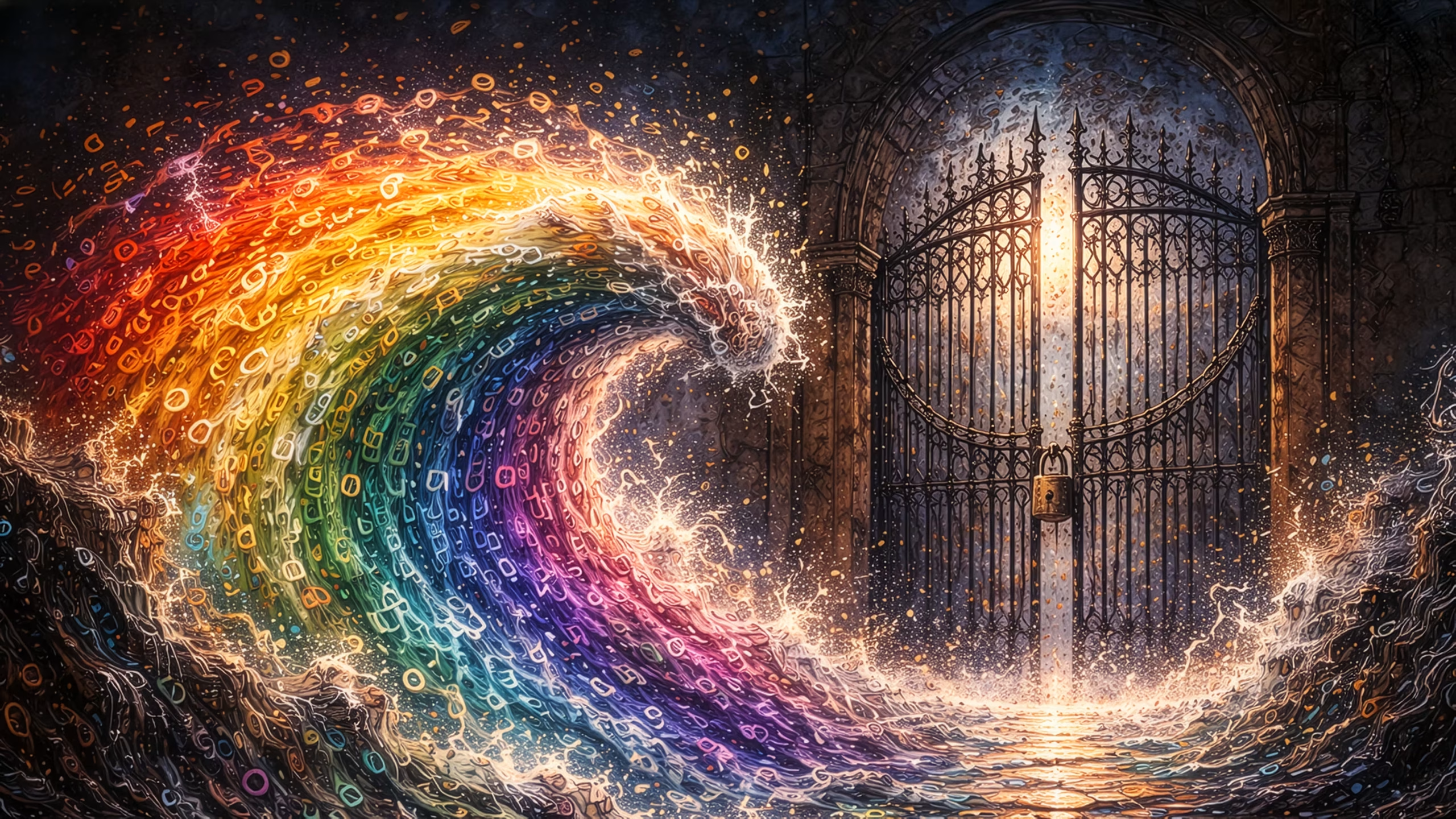
Another key element in Prophecy of Resonance is, of course, prophecy – hinted at right from Chapter 1. We learn of a long-foretold prophecy that heralds the birth of Mo’an, “a child destined to bridge ancient wisdom with the promise of change” . This theme of an ancient prophecy guiding the future draws directly from how real Maya culture viewed time and change.
The Maya were avid stargazers and timekeepers; they recorded prophecies and observations in texts like the Chilam Balam, which contained predictions and historical records. Significantly, Maya prophecies reflected a cyclical concept of time – the idea that history moves in natural cycles of destruction and renewal.
One scholar notes that the cryptic prophecies of the Chilam Balam “reflect the Maya belief in the cyclical nature of time and the inevitability of change” . In other words, for the Maya, a prophecy wasn’t a one-time linear decree of doom, but guidance about recurring cosmic rhythms – the end of one age and the beginning of another.

Aurelda’s prophecy of Mo’an embodies this spirit. Mo’an is not a traditional Chosen One who simply fulfills a fate; he’s a bridge between the ancient wisdom of the old world and the promise of change for a new era . This mirrors the way Maya prophecies often signaled transitions between eras (for example, the turning of baktun cycles in the Maya Long Count calendar).
By weaving this perspective into the plot, the story teaches us about the importance of balance between tradition and progress – a theme very much alive in real indigenous wisdom. Chapter 1’s deep dive reveals that what might seem like a standard fantasy prophecy actually carries the echoes of Maya priests watching the stars, predicting seasonal cycles, and guiding their people through times of upheaval with the promise that a new dawn will always follow the darkness. It’s ancient insight repackaged in a relatable, queer fantasy narrative.
Queer Storytelling Woven into Myth

Aurelda is proudly a queer fantasy saga – and interestingly, this too has parallels in ancient lore. The story features queer romance and personal transformation, described by the author as “a story of love, loss, and resilience” at its core.
While fantasy literature has only recently begun to embrace LGBTQ+ heroes widely, mythology around the world has included LGBTQ+ themes for ages. In fact, many myths use gender and sexuality diversity as symbols of divine or sacred experiences. Mesoamerican cultures were no exception. The Maya themselves had legends that recognized same-sex love and fluid gender roles.
One fascinating example is the Maya god Chin, who according to 16th-century reports “introduced homoeroticism into the Maya culture” and became associated with male love – so much so that Maya nobles would even arrange for young men to be companions to their sons in emulation of this god.
Furthermore, Maya art from the Classical period depicts the Tonsured Maize God as an effeminate youth associated with art and dance, a figure considered by scholars as a possible third gender representation in the pantheon . In broader mythologies, there are countless instances of deities and heroes that transcend modern gender norms or engage in same-sex relationships, highlighting that queerness has always been part of our oldest stories.
Why does this matter for Aurelda?
Because the series positions its queer characters not as outliers, but as heroes deeply connected to the spiritual and mythic fabric of their world. Mo’an’s very existence is born of love that challenges convention, and earlier characters like the scholar Ah’Chaan and guardian Ix’Quil form bonds that alter destiny. A beta reader of the book remarked that “as a queer reader, I felt deeply seen and represented… Aurelda is more than just a story – it’s a profound journey into the soul”.
By infusing ancient mythical acceptance of queer identities (like the blessings of Chin or the androgyny of the Maize God) into a modern fantasy narrative, Aurelda offers representation that feels both innovative and rooted in ancestral tradition.
This queer storytelling isn’t just token romance; it resonates with the mythic archetype of the hero who must integrate all aspects of self – masculine, feminine, and beyond – to truly transform. In a sense, Aurelda carries forward the legacy of inclusive mythology, showing that heroism and love transcend gender and have always done so, even in the sacred stories of old.
Mythic Storytelling as a Path of Spiritual Awakening

What truly sets The Aurelda Chronicles apart is its intention to serve as more than a fantasy tale. The author, Jason Samadhi, describes Aurelda as “a Maya mythology-inspired fantasy world woven with themes of transformation, healing, and self-discovery”.
Chapter 1 plants the seeds of this transformational journey. As readers, we’re not just following an adventure; we are being invited into a process the author calls “sacred remembering.” Just as the characters awaken to the Lumina and ancient prophecies, we are nudged to remember the sacred truths in our own lives.
The Aurelda Codex, a companion guide mentioned alongside the novel, encourages readers to delve into “mythic storytelling” and “the documents that shape a journey of transformation and spiritual awakening,” suggesting that every chapter carries layered meaning for those who seek it. Indeed, the series was built to guide the soul through an archetypal hero’s journey. It’s no coincidence that Aurelda’s narrative aligns with Joseph Campbell-esque stages of initiation and return, underpinned by actual indigenous wisdom and spiritual teachings.
By grounding his epic in real-world mythology and spirituality, Samadhi bridges fantasy and reality in a way that can spark personal insight. He even infuses his background in meditation and breathwork into the story’s DNA – truly making it a work of conscious storytelling. Little wonder that Aurelda has been called “a love letter to the Riviera Maya,” a realm where “the sacred wisdom of the land and the luminous energy of transformation converge”, serving as “a tribute to the timeless harmony between nature, mythology, and personal awakening” .
In practical terms, as you explore Chapter 1 you might find yourself not only entertained by the plot, but also moved on a deeper level – reflecting on your own connection to nature, the cycles of change in your life, or the way stories can heal. This is fantasy as a vehicle for spiritual growth. The hero’s journey here is as much inward as it is outward.
Aurelda’s world, with its ceiba trees and prophecies, becomes a mirror to our world – suggesting that perhaps the magic and meaning we crave are already around (and within) us, waiting to be remembered.
Embark on Your Own Mythic Journey

Ultimately, “The Song of the Ceiba” is an invitation – especially to LGBTQ+ readers and spiritual seekers – to see themselves in a grand narrative that honors both identity and ancestry. Why should this story matter to you? Because it reminds us why we tell stories in the first place: to find truth, to find ourselves.
The real-world principles woven into Aurelda’s mythos – from ancient Maya cosmology to universal themes of love and awakening – give the tale a resonance that can inspire your own journey. This chapter (and those to come) whisper that the world is full of unseen forces and ancient wisdom guiding us, and that everyone, no matter how marginalized, has a heroic role to play in the cosmic tapestry of life. If you’ve ever wondered “what if the stories we tell ourselves are true?” – Aurelda offers a fascinating answer, blending fantasy, spirituality, and self-discovery into one enriching experience.
Now, the next step is yours. Are you ready to step into Aurelda and hear the song of the Ceiba for yourself? Begin the journey, read the first ten chapters for free. And if you’re curious to explore the lore further, visit the Aurelda Codex – an ever-growing archive of mythic storytelling and sacred wisdom. Listen now, read on, and step into the journey – the world of Aurelda awaits you.
Updated: April 21, 2026
Where Will You Go From Here?
This journey is yours to continue. Choose your path:
Comment Below
Contribute to the story—share your thoughts below.
Share the Love
Share this article with kindred spirits.
Ready to Re-member Your True Self?
Receive updates on Aurelda books, journal entries, podcast episodes, breathwork events, and what’s unfolding next. Plus, get free sample chapters from The Aurelda Chronicles.

Jason Samadhi
Related Articles
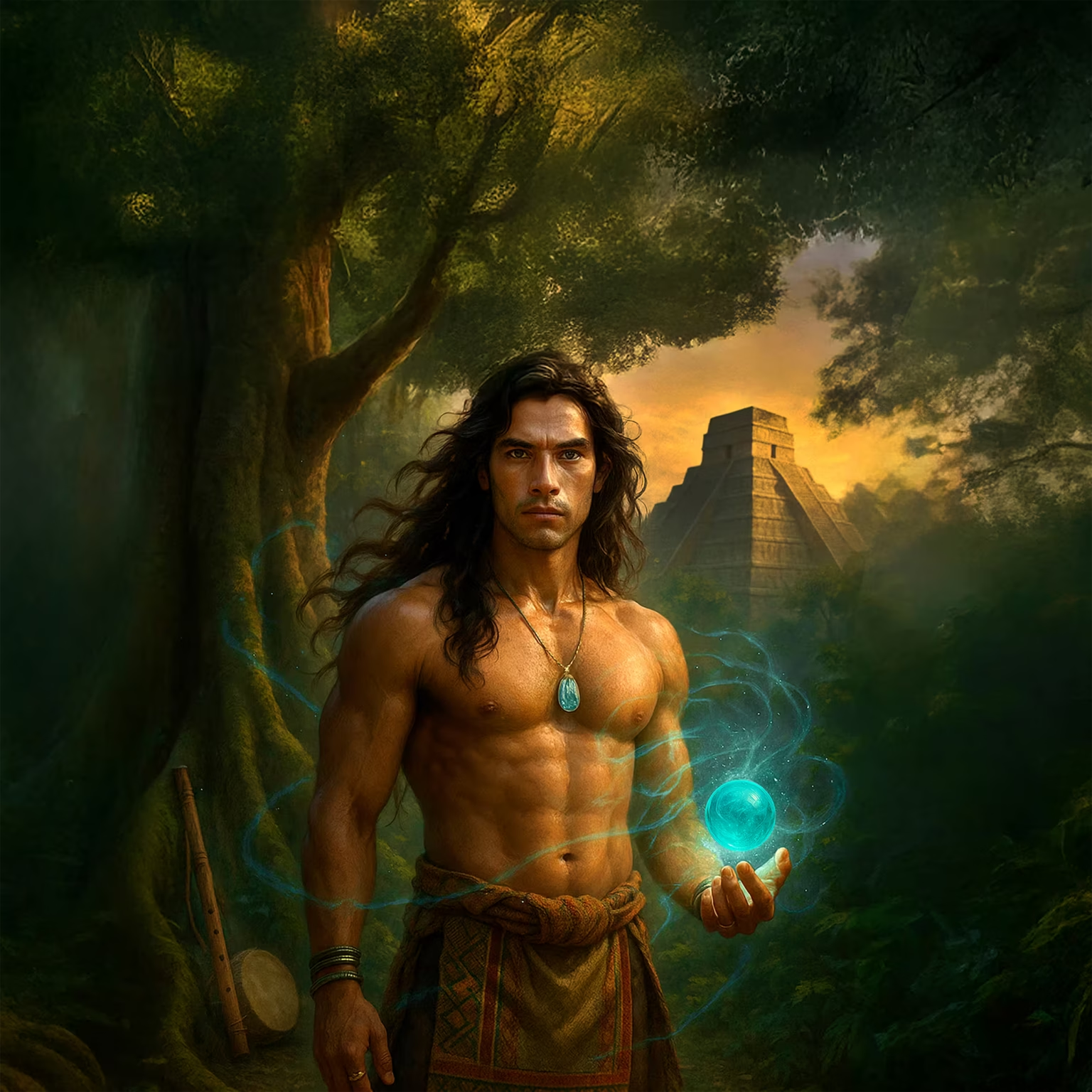
Start Reading Aurelda
Get free sample chapters from all three books in The Aurelda Chronicles. A queer-affirming visionary fiction trilogy of love, loss, and transformation.
Listen & Re-member
Aurelda Soul blends mythic storytelling, sacred wisdom, and grounded reflection for modern seekers finding their way home.
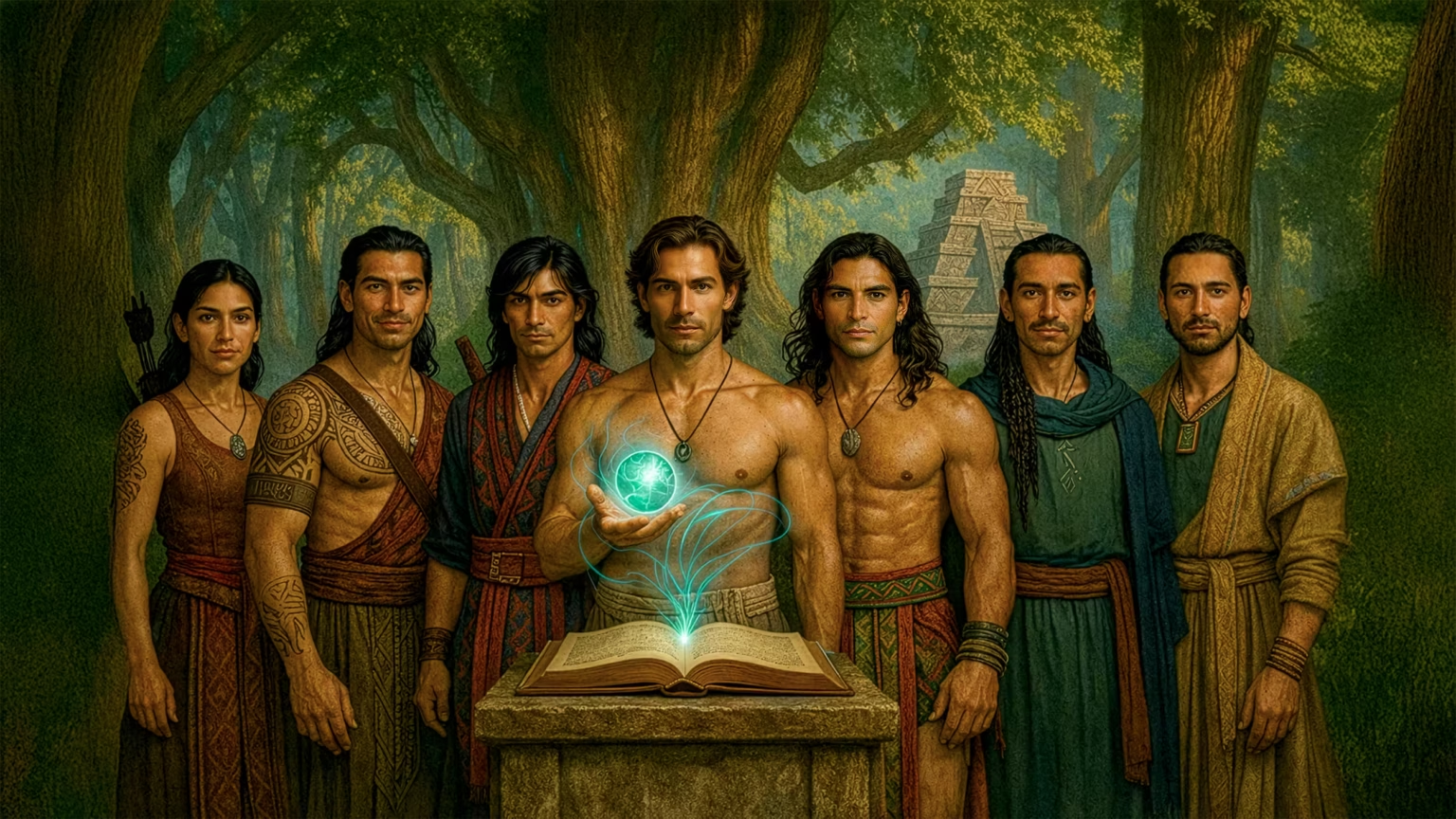
Join the Inner Circle
Join a quiet, queer-affirming community as it grows around Aurelda, sacred remembrance, story, breath, and belonging.