


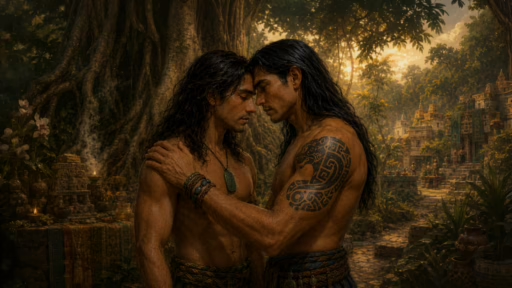
Have you ever felt like you were trying to hold a river in your hands? You cup your palms, desperate to keep the water safe, to keep it yours, but the tighter you squeeze, the faster it slips through your fingers.
This is the paradox of our modern lives. We are told to define ourselves. Pick a career. Pick a label. Pick a side. We are taught that safety lies in solidity—in building walls around our identities so that we can be easily categorized, marketed to, and understood. But what if this desperate clinging to "fixed forms" is exactly what is limiting our potential? What if our spirits were never meant to be statues, but rivers?
In the lush, vibrant world of The Aurelda Chronicles, the core spiritual energy of the world, the Lumina, favors this radical fluidity. It is described not as a resource to be hoarded, but as "the pulse of life itself," a force that "flows through all living things, binding them in a web of boundless connection."
Today, we are diving deep into the lore of Aurelda to ask a question that might just change the way you see yourself: If the universe favors flow, why are we so afraid to let go?
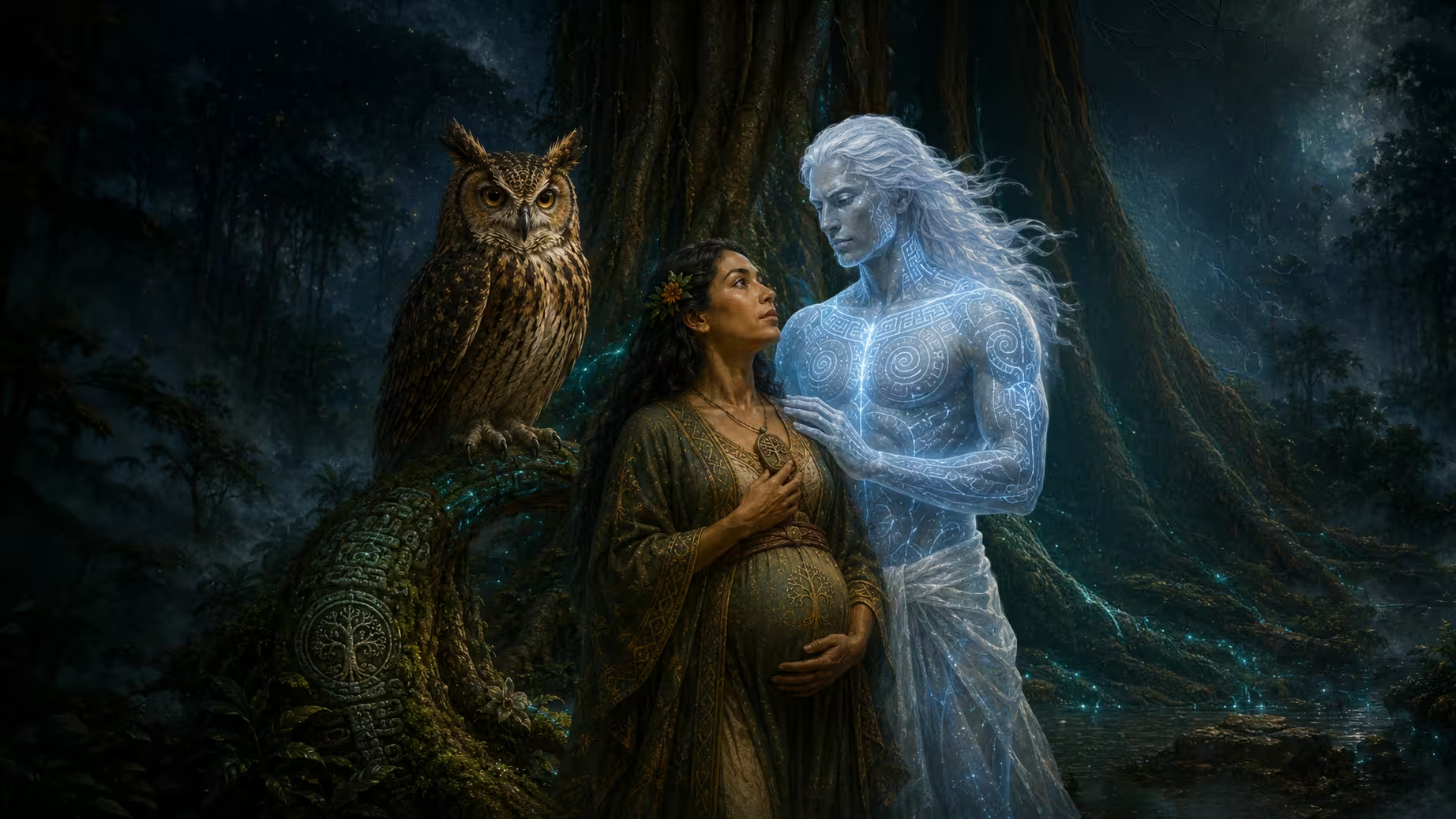
A Fictional Question About Identity
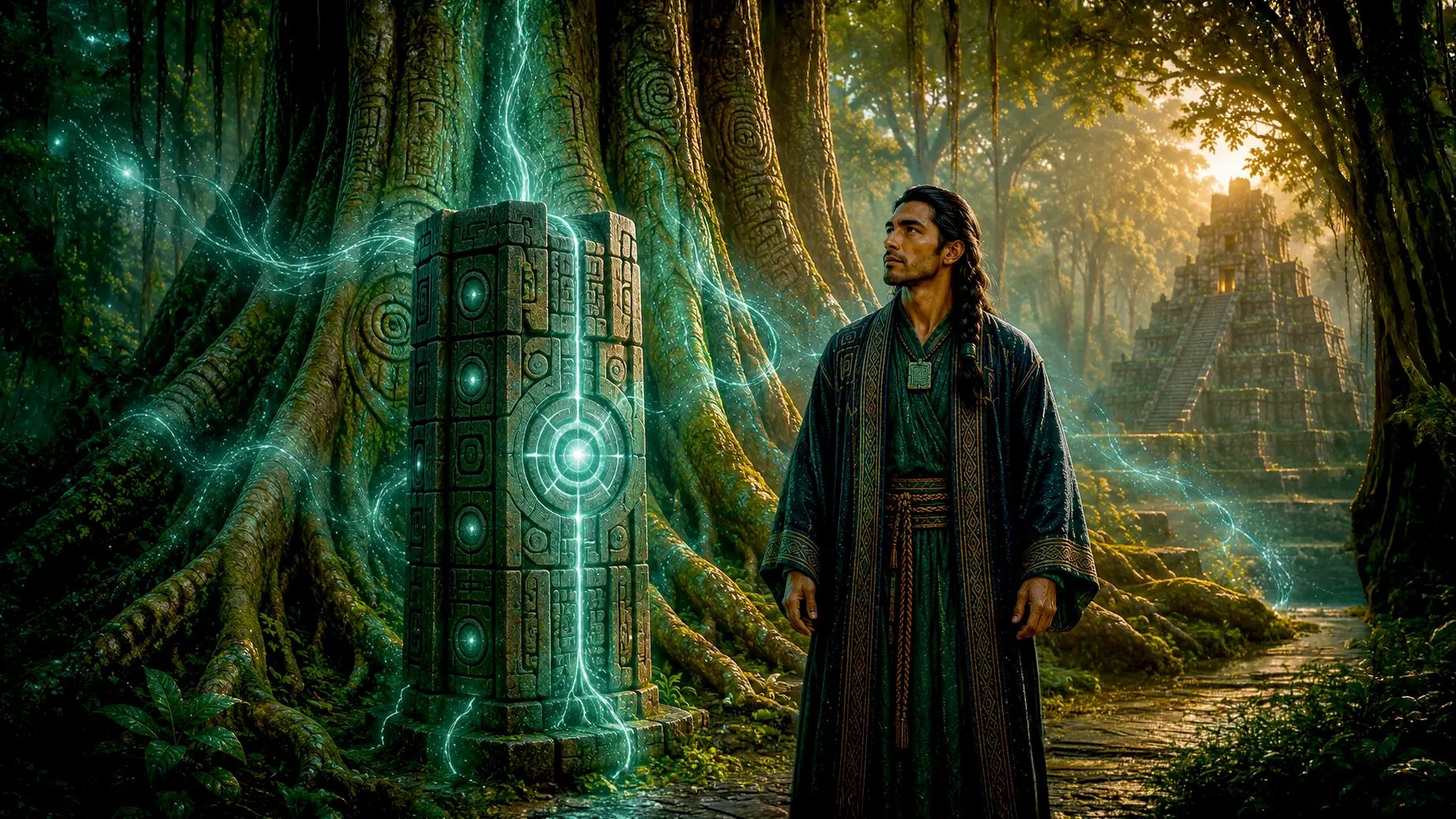
Mo’an’s fluid identity matters in the novels. I leave his later experiences for the novels. My question is about making room for a person rather than demanding a fixed form.
Ancient Wisdom: The Roots of Resonance
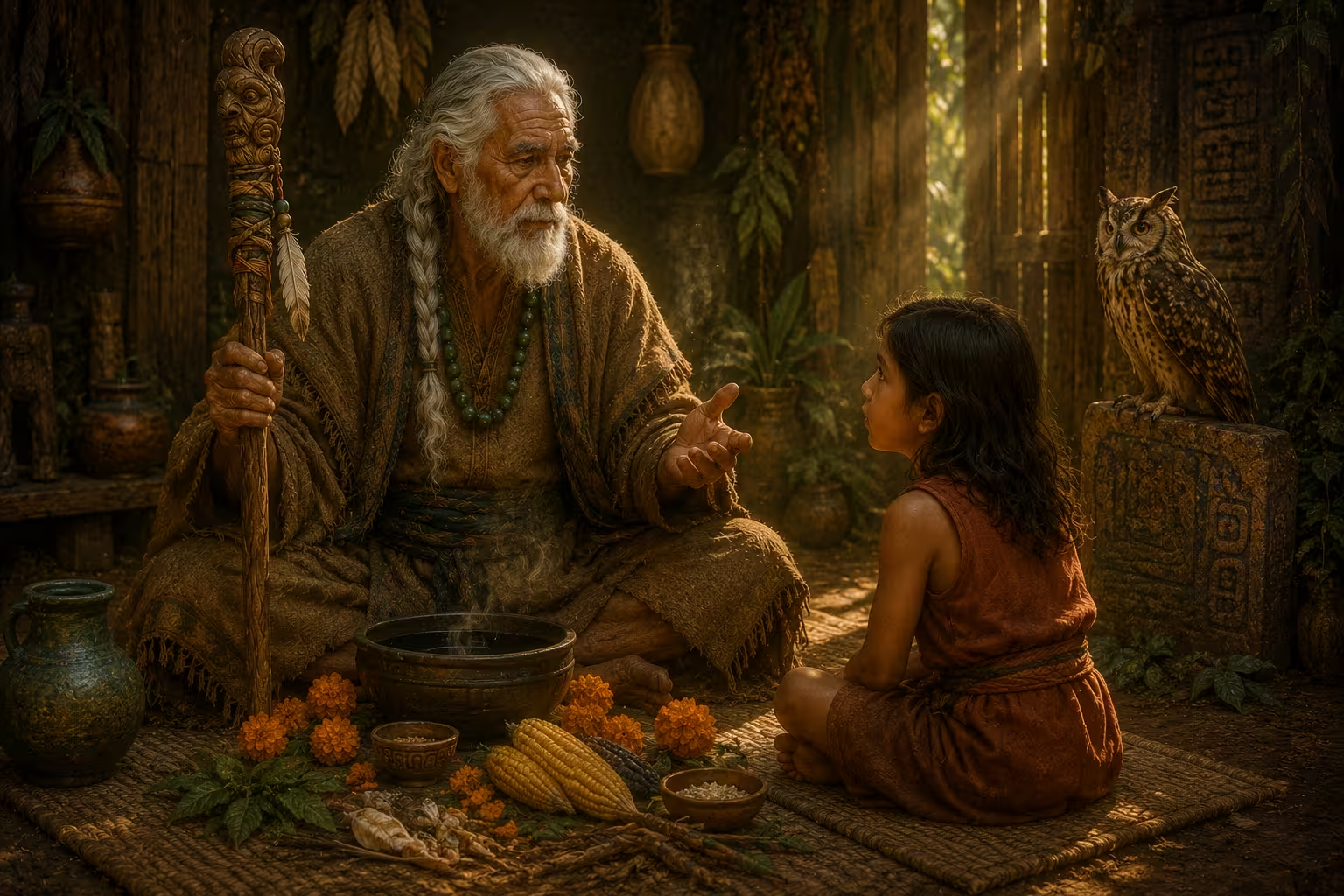
The concept of a "fluid spirit" in The Aurelda Chronicles is not a modern invention. It is deeply rooted in the pre-colonial wisdom of Mesoamerica, a worldview that understood the universe as inherently dynamic.
In Aztec philosophy, the supreme creative force is Ometeotl, a dual god who is both male and female, light and dark, chaos and order. Ometeotl does not choose a side; Ometeotl is the movement between them. Similarly, the concept of the Nahual—a spiritual companion animal—suggests that our identity is not fixed in our human bodies but is porous, connected to the natural world.
In the book, Mo’an is guided by Chimalmat, a mystical owl who navigates the dream world. Chimalmat teaches Mo’an that his power lies in the unseen, in the spaces between. This mirrors the role of individuals in many indigenous cultures who walked between the worlds of male and female, acting as bridges for the community. Mo’an’s journey is a reclaiming of this ancient, sacred role.
Making Room Without Taking Ownership
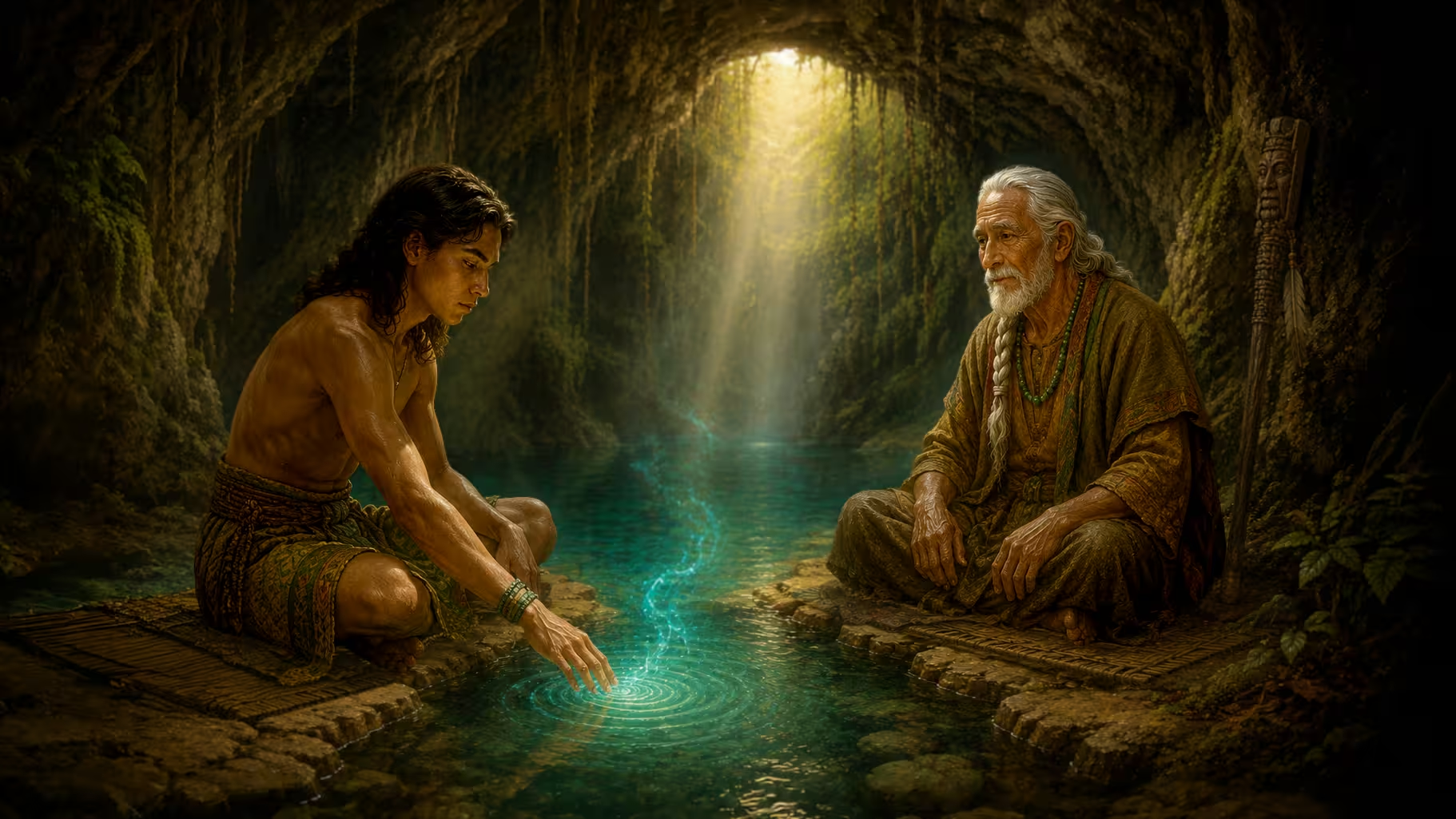
The river image can be useful without becoming a rule that someone must reject their own label or boundaries. A person can change and still choose what is private.
Your Invitation to Resonance
The story of Mo’an is a mirror for us all. It asks us to look at the "machines" we have built around our own hearts—the rigid definitions of who we are supposed to be, who we are supposed to love, and how we are supposed to live.
I want the invitation to remain mine rather than attributing an unverified speech to Mo’an: stay curious about the person you love, and avoid making certainty a condition of care.
Perhaps our potential is not found in how well we hold our shape, but in how freely we allow ourselves to change. Something to consider: how often do we limit ourselves by clinging to fixed forms and expectations?
Begin Your Journey Into the Heart of Solara
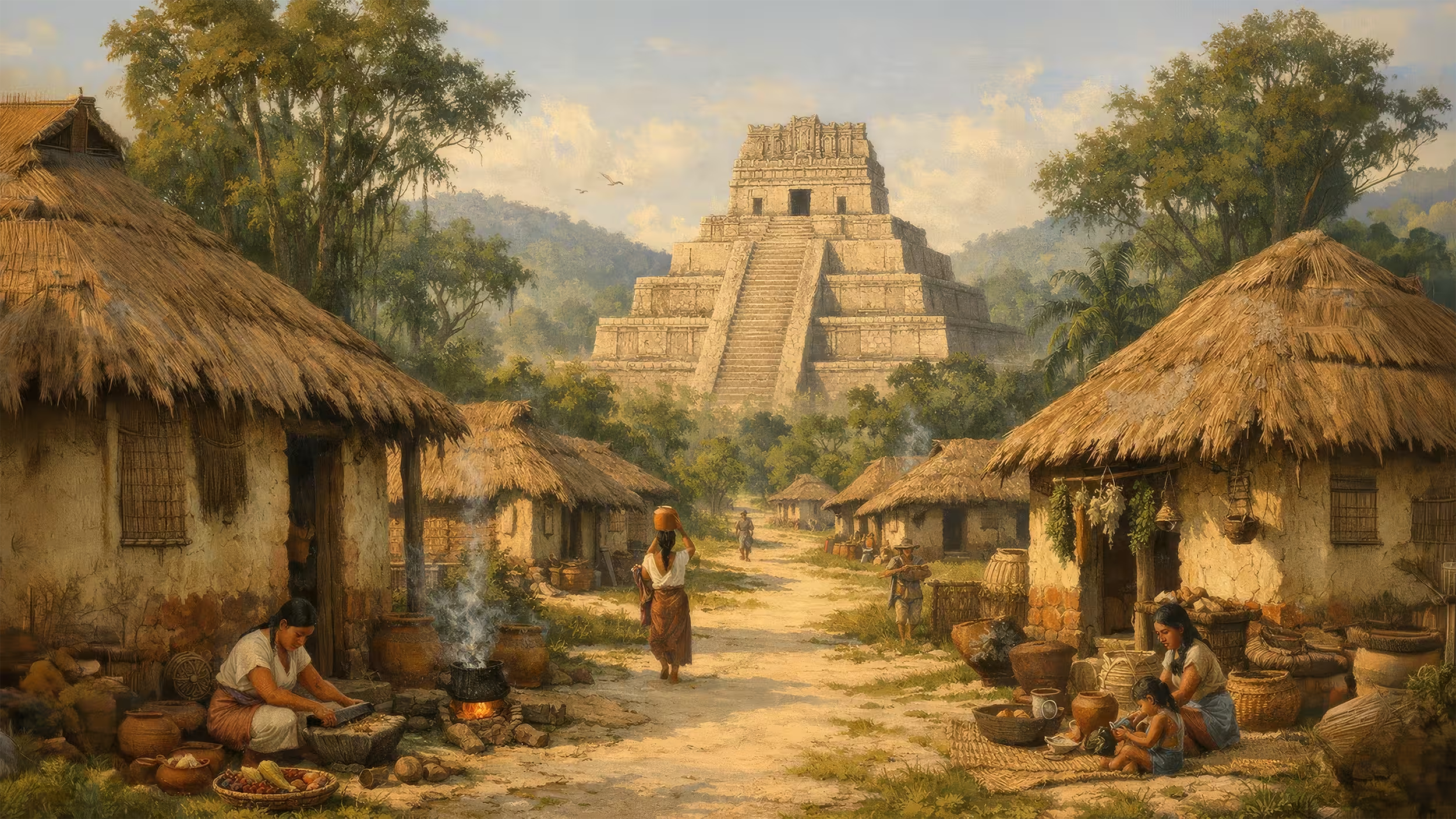
Mo’an does not survive by becoming harder or more defined; he survives by becoming more fluid. He embraces the contradictions of his heritage, the fluidity of his love, and the dual nature of the Lumina. In doing so, he becomes the "river that cannot be contained."
The Aurelda Chronicles is more than an escapist fantasy; it is a mythopoetic map for wholeness. It validates the struggles of those who feel they do not fit into society’s fixed forms, offering them a mirror in Mo’an—a hero whose superpower is simply the courage to flow.
The inquiry is personal: where does a useful description become a demand that you stop changing? I want the story to make that question approachable without turning cultural inspiration into authority.