


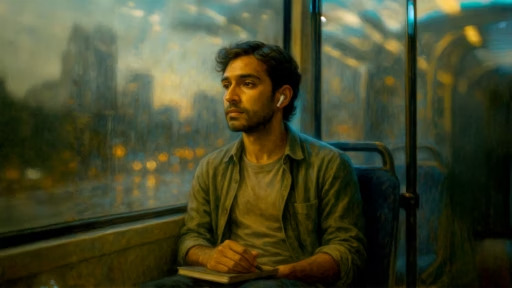
Across many families and cities, machismo and men’s mental health collide: boys are trained to be tough, silent, and self-sufficient, and vulnerability is mislabeled as weakness. Over time, that armor can become isolation, anxiety, and a quiet ache men learn to normalize. Public-health and regional research keep pointing to the same knot: rigid masculine scripts discourage help-seeking and are tied to worse health outcomes for men across the Americas.
In Argentina, for example, policy and research conversations have moved decisively toward vulnerability as a human capacity, not a flaw, calling men into care practices, emotional literacy, and shared responsibility. Ministry and UNFPA briefs note how posture of the masculine and the difficulty of emotional expression push men to arrive late to care and carry preventable burdens.
How Aurelda Addresses Machismo and Men’s Mental Health
If you’re a sensitive man (or what we call an “unseen seeker”) who feels too much, you’re not broken. You’re noticing what the script tried to hide. The question isn’t, “Why am I so emotional?” It’s, “What would my life look like if I let my inner truth lead?”
- Emotional Isolation: Men raised under strict masculinity often view emotional pain as weakness. They may avoid therapy or even expressing need, which leads to shame and secret loneliness. Studies link this to higher rates of anxiety, depression and addiction among men.
- Health Risks: Stereotypes teach men that self-care is “not a man’s job”. As a result, men deny illness and delay help, suffering silently. (Even COVID-19 data show men follow fewer health measures, in part due to pride.)
- Latent Homophobia: Under machismo, men are often taught to distrust any trait seen as “feminine,” including open affection or vulnerability. This creates a culture where admitting feelings can be lumped with disallowed behaviors, deepening men’s shame.
- Inner Shame and “Unseen Seekers”: Some men feel a persistent ache or loneliness they can’t explain. I think of them as “unseen seekers”: people carrying a longing they cannot easily explain. These “unseen seekers” know there is more to life than society’s narrow mold, but feel guilt or fear for wanting it.
All these pressures can make depression feel like an inevitable, private burden; something men endure alone as “part of life.” Yet mental health experts warn that hiding pain is dangerous: young men following “tough guy” codes face higher rates of addiction, relationship problems, even suicide. As one psychologist puts it, rigid masculinity discourages help-seeking and contributes to men’s poorer health and shorter lifespans.
The reflection on sacred masculinity for gay men asks what strength can mean when tenderness is allowed.
A Reflection, Not a Treatment Program
I write about vulnerability because silence has had a cost in my own life. The Book of Remembering is a developing project, not a clinical program or a promise of available editions. Its questions belong beside care and connection, rather than replacing them.
Why It Matters for You
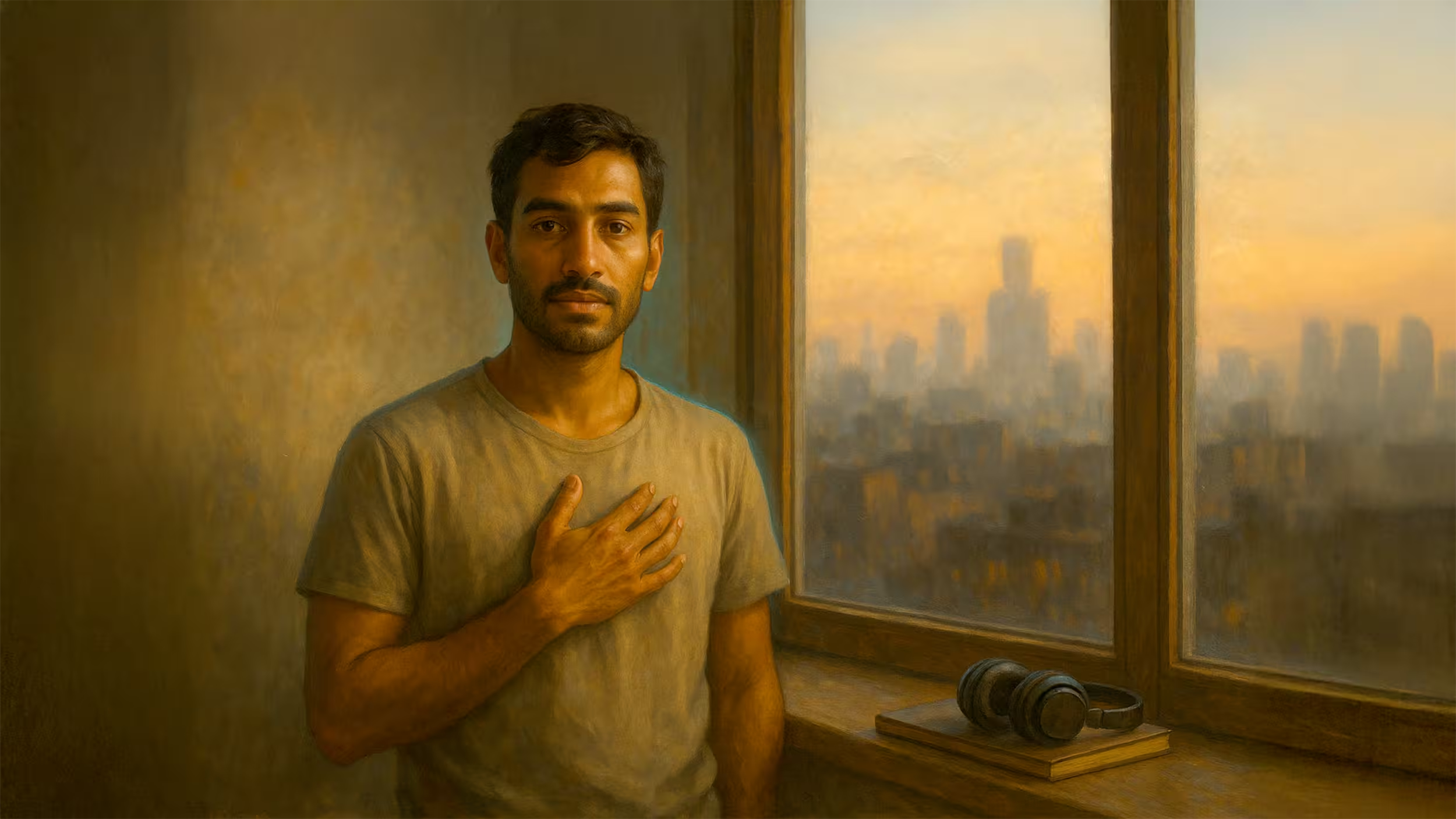
If you’re a man wondering “What’s wrong with me for feeling so much?”, or seeking purpose beyond machismo, Aurelda offers a mirror and a medicine. Reminding you that your feeling heart is a gift, not a weakness.
For men shaped by rigid norms, Aurelda offers a new story for machismo and men’s health: it names how patriarchy harms body and spirit, then reframes that struggle as a hero’s journey. Instead of “be hard, hide pain,” this book champion empathy, vulnerability, and conscious healing; treating depression or shame not as failures but as signals to reconnect.
You’re not alone. As a living transmission, Aurelda speaks like a trusted friend, building community and turning secrecy into self-respect. Blending ancient wisdom with grounded psychology, it bridges the gap between the masculine ideal and a sensitive, coherent reality; step by step, out of isolation and into belonging.